Sobegha: A Bold Handwritten Font for Creative Brands
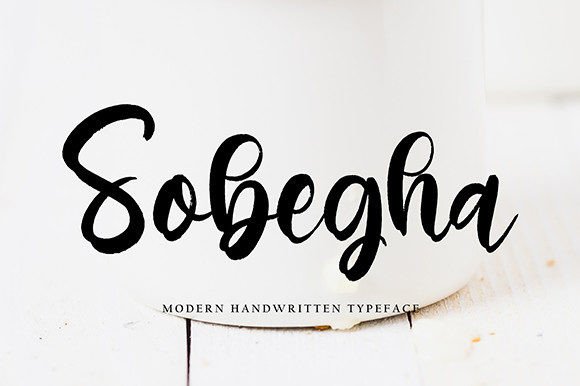
There I was, staring at a blank brand board, trying to find the right visual voice for a new artisanal skincare line. The client wanted something modern yet personal, something that felt authentic but still had a polished edge. That’s when I pulled out Sobegha—a cool and bold handwritten script font that immediately caught my eye.
Sobegha for Logo Design and Brand Identity
Sobegha is a premium font that brings a raw, expressive energy to any logo concept. Its hand-drawn strokes and subtle irregularities give it a human touch that feels genuine, not manufactured. I tested it on a logo draft for a boutique skincare brand, and it worked beautifully. The font’s boldness made the brand name stand out without overwhelming the design, while its unique character added a sense of personality that resonated with the brand’s mission.
When paired with a clean sans serif for supporting text, Sobegha created a nice contrast that balanced creativity with professionalism. It’s perfect for logos that need to feel both artistic and trustworthy.
Sobegha for Packaging Design and Product Labels
I later used Sobegha on a packaging mockup for a small-batch candle company. The font’s distinct style gave the product labels a handmade quality that aligned perfectly with the brand’s aesthetic. On a cream-colored box, Sobegha looked elegant and refined, while on a more rustic paper stock, it felt organic and inviting.
One thing to note is that Sobegha works best in larger sizes. When I tried it on a small label, the details got lost, making it hard to read. For product packaging, it’s ideal as a headline or accent rather than body text.
Sobegha for Web Design and Social Media Graphics
In web design, Sobegha shines as a display font. I used it for a homepage hero section of a creative studio’s website, and it added a dynamic, energetic feel that matched the brand’s vibe. It looked great on a large banner, drawing attention without being too flashy.
On social media layouts, Sobegha also performed well. Whether it was an Instagram post or a Facebook cover photo, the font brought a sense of movement and personality that made the content more engaging. It’s especially effective for posts that aim to feel personal or community-driven.
Sobegha for Business Cards and Printed Materials
Testing Sobegha on a business card layout showed how versatile it can be. In a minimalist design with plenty of white space, the font stood out as a strong visual element. It worked well with a dark background, adding a touch of sophistication, but also held its own on a light-colored card, where its boldness didn’t feel overpowering.
For printed materials like flyers or posters, Sobegha can add a striking visual impact. However, it’s important to ensure there’s enough contrast between the font and the background to maintain readability.
Sobegha for Editorial Design and Creative Projects
I also experimented with Sobegha in an editorial design project, using it for headlines in a magazine spread. The font’s expressive nature complemented the creative tone of the publication, giving it a fresh and modern look. It worked particularly well when paired with a serif font for subheadings, creating a layered, professional appearance.
For handmade shops or craft brands, Sobegha can be a great fit. Its handwritten style adds a personal touch that appeals to customers looking for unique, one-of-a-kind products.
Considerations for Using Sobegha in Professional Work
While Sobegha is a powerful tool for many branding projects, it’s not always the best choice for every situation. In formal corporate environments, where clarity and neutrality are key, Sobegha might feel too casual or unstructured. Similarly, it’s not ideal for long blocks of text, as the intricate details can make it harder to read at smaller sizes.
Before finalizing any design, I recommend testing Sobegha across different platforms and sizes. View it on screens, print it out, and see how it holds up in various contexts. This will help ensure it meets the needs of your specific project.
When working with clients, it’s also important to check the font’s licensing terms. Make sure you have the proper rights to use Sobegha in commercial projects, especially if it’s going to be part of a brand’s identity, packaging, or digital assets.